


If you’re drowning in debt and considering Chapter 7 bankruptcy in Pennsylvania, you’re probably wondering: do I make too much money to qualify? The answer isn’t always straightforward, but understanding the income limits and means test can help you determine if complete debt elimination is within reach.
Chapter 7 bankruptcy offers a fresh financial start by wiping out most unsecured debts: credit cards, medical bills, personal loans, and more: without requiring a lengthy repayment plan. However, Congress implemented income restrictions to ensure that people who can afford to repay their debts don’t abuse the system.
Current Pennsylvania Chapter 7 Income Limits for 2025
The good news is that Pennsylvania’s median income thresholds are updated twice yearly, and the most recent figures took effect on May 15, 2025. If your household income falls below these amounts, you automatically pass the first part of the bankruptcy means test:
For households with more than four people, add approximately $10,500 for each additional family member. These figures represent the median income for Pennsylvania residents, meaning half of all households earn less than these amounts.

How Your Income Is Actually Calculated
Here’s where many people get confused: the means test doesn’t use your current paycheck or last year’s tax return. Instead, it calculates your average monthly income from the six months immediately before filing, then multiplies by 12 to get your annual figure.
This calculation includes virtually all sources of income:
- Employment income: Salary, wages, overtime, bonuses, and commissions
- Self-employment earnings: Including gig work like Uber, DoorDash, or freelance income
- Spousal income: Your spouse’s earnings count if filing jointly or if you’re not legally separated
- Government benefits: Social Security, unemployment, workers’ compensation, and disability payments
- Other sources: Rental income, pensions, alimony, child support, investment dividends, and interest
The six-month lookback period can work in your favor if you’ve recently lost income due to job loss, reduced hours, or other circumstances. Even if you previously earned more, your recent financial situation is what matters for qualification.
What Happens If You Exceed the Income Limits?
Don’t panic if your household income surpasses Pennsylvania’s median: you’re not automatically disqualified from Chapter 7. You’ll simply need to complete the second part of the means test, which examines your disposable income after allowable expenses.
This is where the process gets more detailed, but it’s designed to account for your actual ability to repay debts, not just your gross income.
Allowable Deductions from Your Income
The means test allows you to subtract both actual expenses and standardized amounts based on IRS guidelines:
Actual Monthly Expenses:
- Health insurance premiums and disability insurance
- Income taxes and mandatory payroll deductions
- Secured debt payments (mortgage, car loans)
- Child care costs and term life insurance premiums
- Court-ordered alimony and child support payments
Standardized IRS Allowances:
- Food, clothing, and housekeeping supplies
- Housing and utilities (based on your county)
- Transportation costs and vehicle operation
- Out-of-pocket healthcare expenses
- Personal care and miscellaneous items
The Disposable Income Test
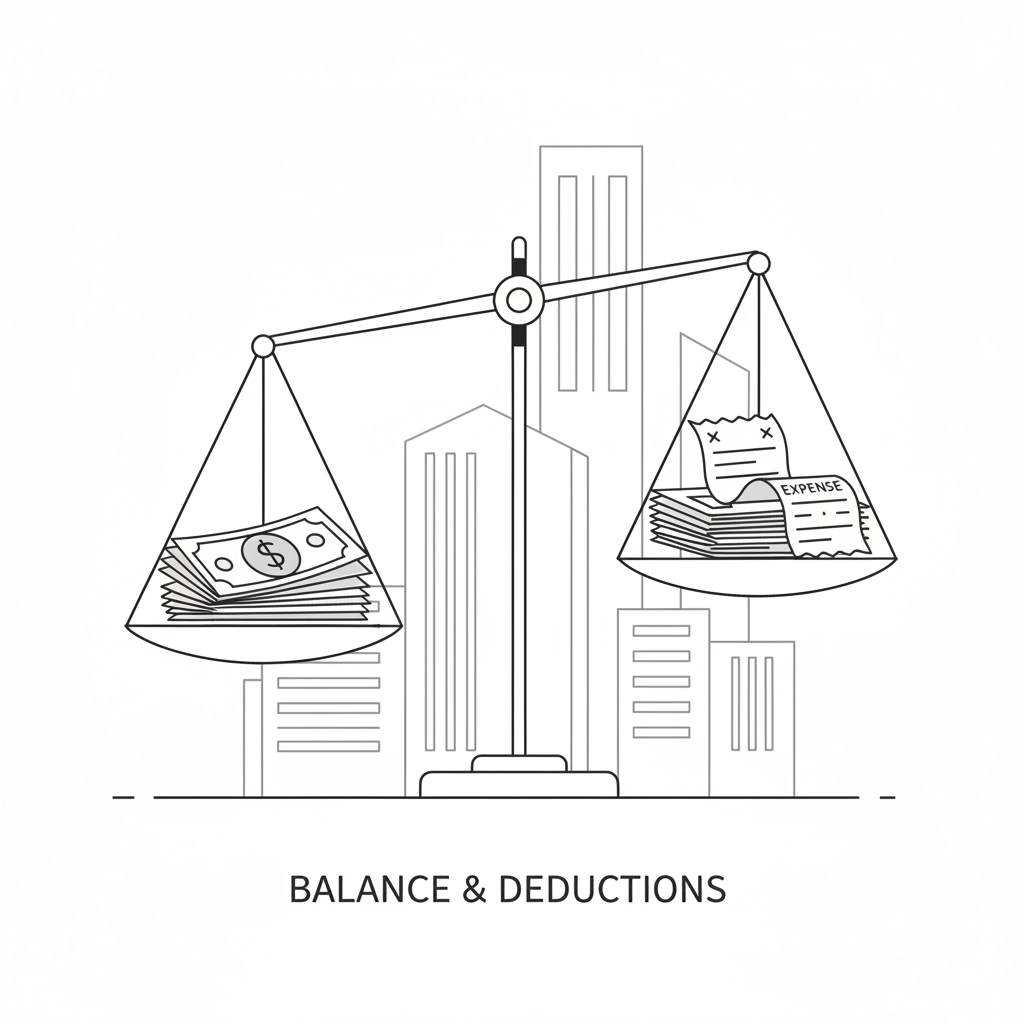
After subtracting all allowable expenses from your current monthly income, you’re left with your “disposable income.” If this amount is too low to meaningfully repay your debts over five years, you can still qualify for Chapter 7.
Specifically, you pass the means test if your disposable income over 60 months totals less than $7,475, or if it’s insufficient to pay back at least 25% of your unsecured debts over five years.
This calculation recognizes that having income above the median doesn’t necessarily mean you have money available to repay creditors after covering basic living expenses.
Step-by-Step Quick Qualification Calculator
Want to estimate your Chapter 7 eligibility right now? Follow these steps:
Step 1: Calculate Your 6-Month Income Average
Add up your total household income from the past six months, then divide by 6 to get your monthly average.
Step 2: Annualize Your Income
Multiply your monthly average by 12 to get your annual figure for means test purposes.
Step 3: Compare to Pennsylvania Limits
Check your annual income against the limits for your household size. If you’re below, you likely qualify.
Step 4: If Above Limits, Calculate Disposable Income
List all your allowable monthly expenses and subtract them from your current monthly income.
Step 5: Apply the 60-Month Test
If your monthly disposable income multiplied by 60 is less than $7,475, or insufficient to repay 25% of unsecured debts, you may still qualify.
Common Misconceptions About Income Limits
Many Pennsylvania residents avoid exploring Chapter 7 bankruptcy due to misunderstandings about income requirements. Let’s address the most common myths:
Myth: “I make too much money to file Chapter 7”
Reality: Income limits are just the starting point. The full means test considers your actual expenses and ability to repay debts.
Myth: “My spouse’s income doesn’t matter if only I’m filing”
Reality: Spousal income typically counts unless you’re legally separated or maintain completely separate households.
Myth: “I need to be unemployed to qualify”
Reality: Many working individuals qualify for Chapter 7, especially those with high expenses relative to their income.
Myth: “The income limits never change”
Reality: Pennsylvania’s median income figures update every six months based on Census Bureau data.
Chapter 7 vs. Chapter 13: Understanding Your Options
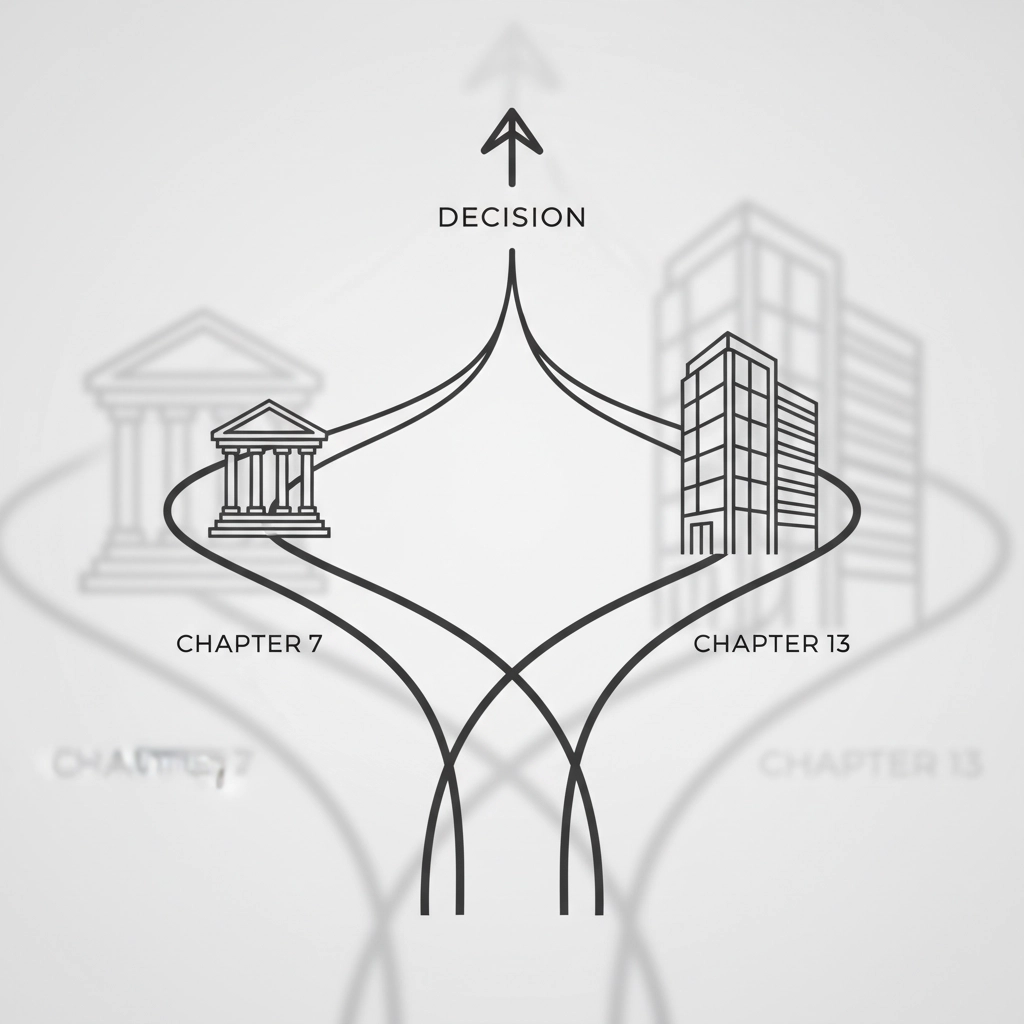
If you don’t qualify for Chapter 7, Chapter 13 bankruptcy offers an alternative path to debt relief. Instead of eliminating debts outright, Chapter 13 requires a 3-5 year repayment plan based on your disposable income.
The length of your Chapter 13 plan depends on whether your income falls above or below Pennsylvania’s median. Those earning less than the median may qualify for a 36-month plan, while higher earners typically enter 60-month plans.
While Chapter 13 takes longer, it offers unique advantages like stopping foreclosure, catching up on missed mortgage payments, and potentially reducing secured debt balances in certain situations.
When Recent Income Changes Affect Your Case
Life circumstances change, and the means test accounts for this reality. If you’ve experienced recent income loss due to job termination, medical issues, divorce, or reduced work hours, the six-month lookback period may reflect your new financial reality rather than past earnings.
Conversely, if you expect your income to increase significantly after filing: such as starting a new higher-paying job: discuss timing strategies with a bankruptcy attorney to ensure you maintain qualification.
Taking the Next Step: Professional Guidance
While understanding income limits helps you gauge initial eligibility, the full means test involves complex calculations and nuanced interpretations. Small mistakes in income calculation or expense categorization can affect your qualification or lead to case dismissal.
An experienced Pennsylvania bankruptcy attorney can:
- Accurately calculate your means test results
- Identify all allowable deductions to maximize your qualification chances
- Advise on timing if your income situation is changing
- Explore alternatives if Chapter 7 isn’t available
- Handle the entire filing process to avoid costly errors
Most bankruptcy attorneys offer free consultations where you can discuss your specific situation and get definitive answers about qualification. Don’t let uncertainty about income limits prevent you from exploring your options for debt relief.
Your Path Forward
Chapter 7 bankruptcy remains accessible to many Pennsylvania residents struggling with overwhelming debt, even those earning above the median income. The means test is designed to be thorough but fair, recognizing that income alone doesn’t determine your ability to repay debts.
If you’re considering bankruptcy, take action now rather than waiting for your financial situation to worsen. Gather your income documentation from the past six months, list your monthly expenses, and schedule a consultation to get personalized guidance.
Remember, qualifying for Chapter 7 bankruptcy isn’t about meeting arbitrary income requirements: it’s about demonstrating that you lack the financial means to repay your debts while maintaining a reasonable standard of living. With proper guidance and accurate calculations, you may find that debt elimination is closer than you think.